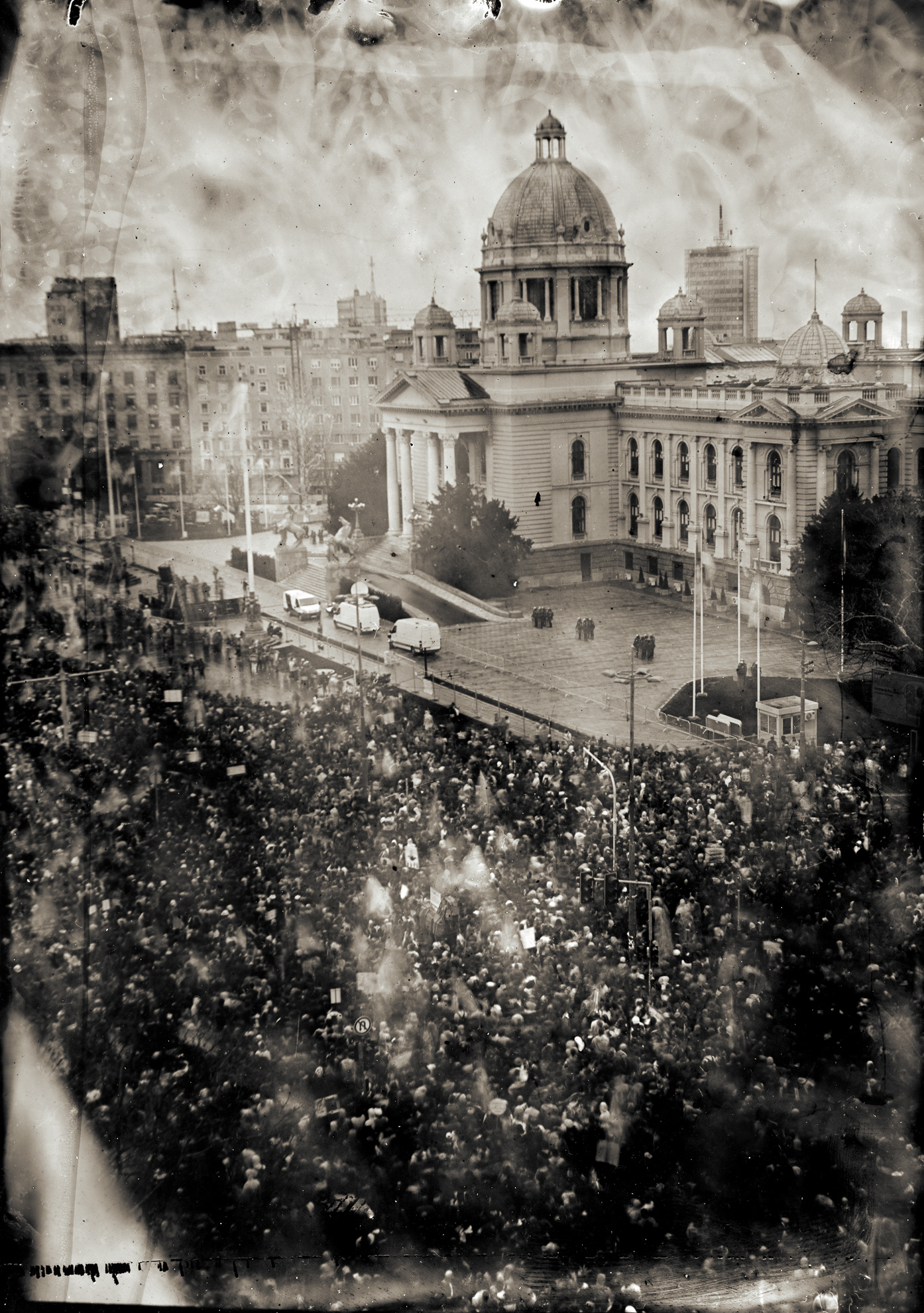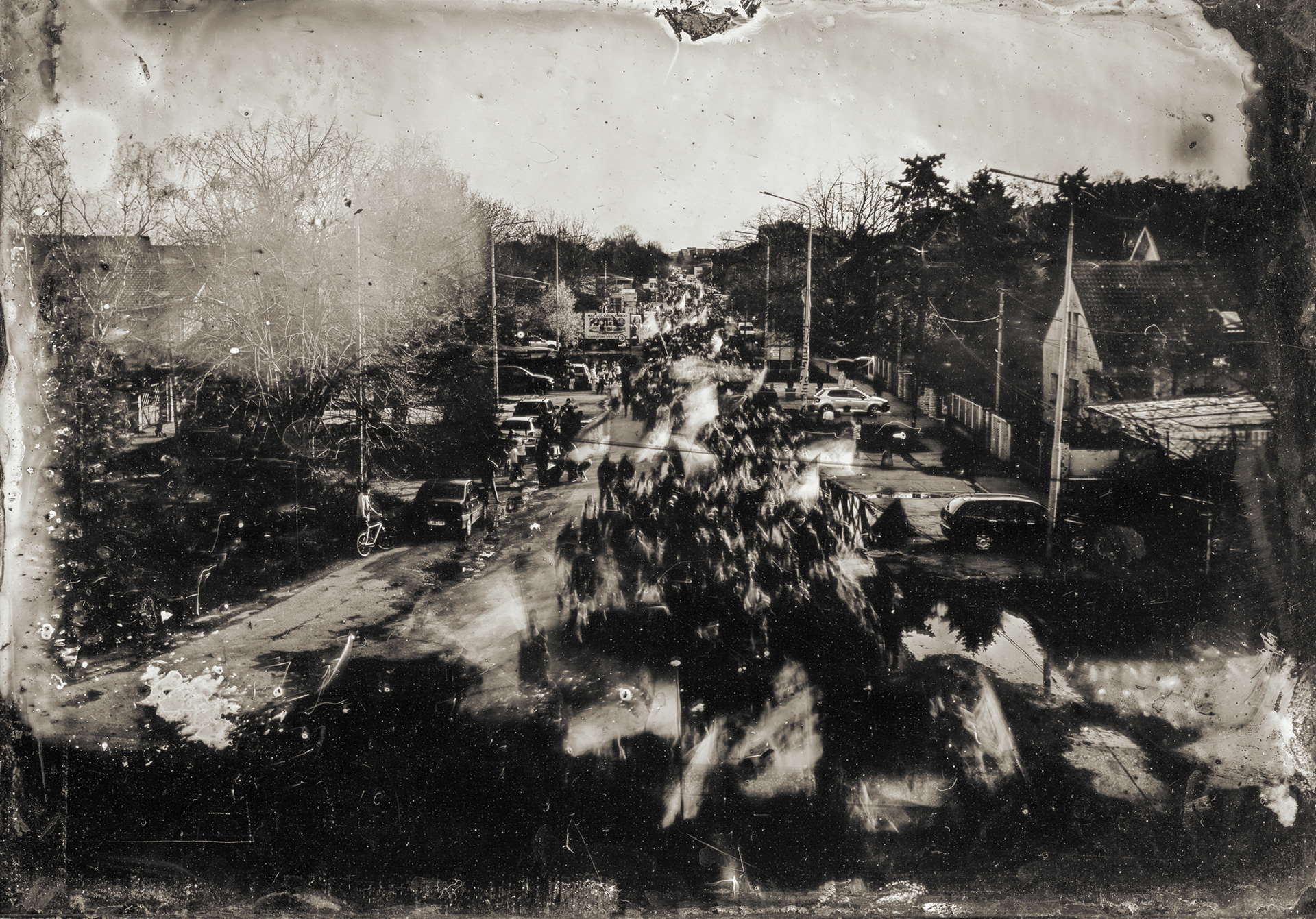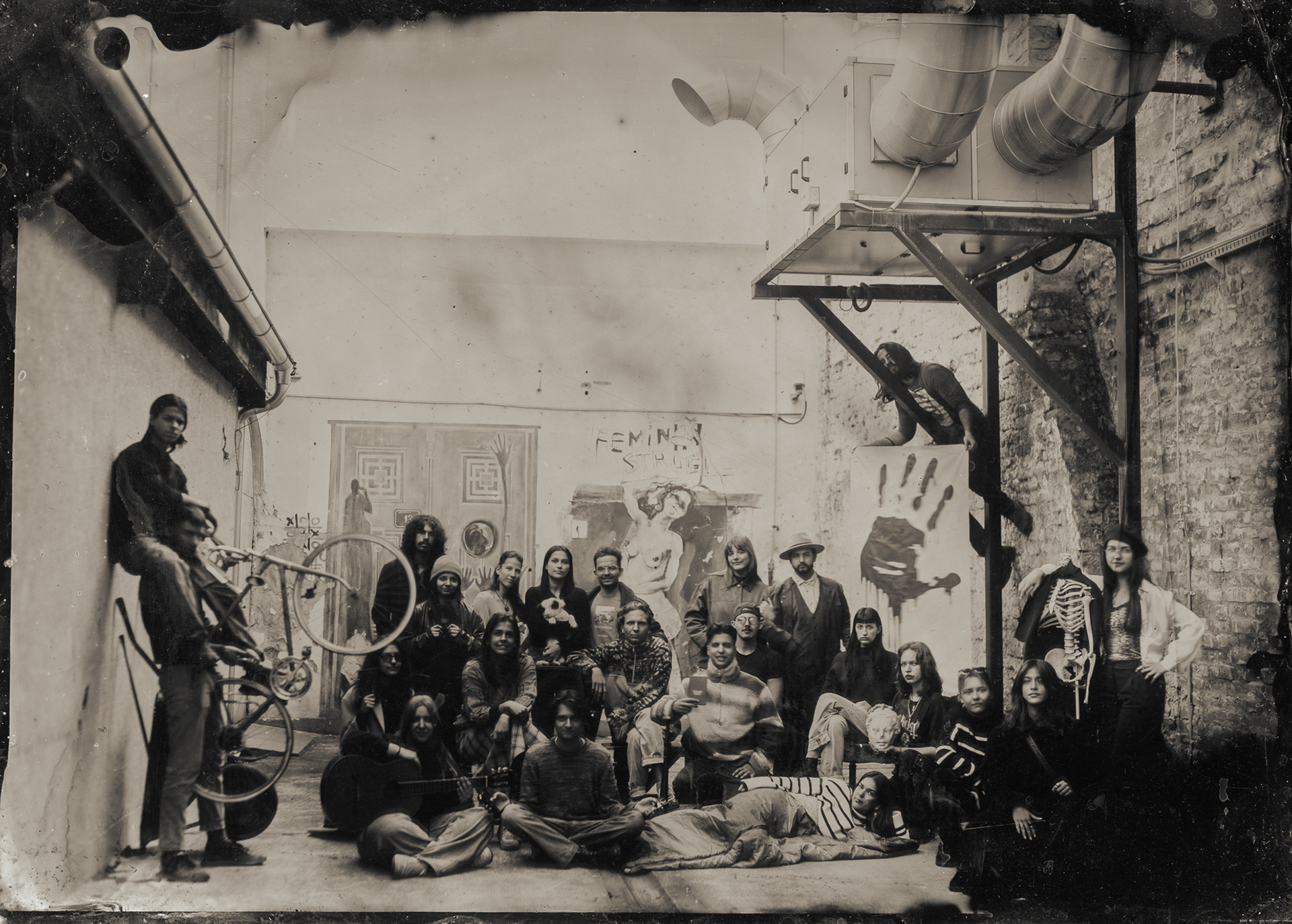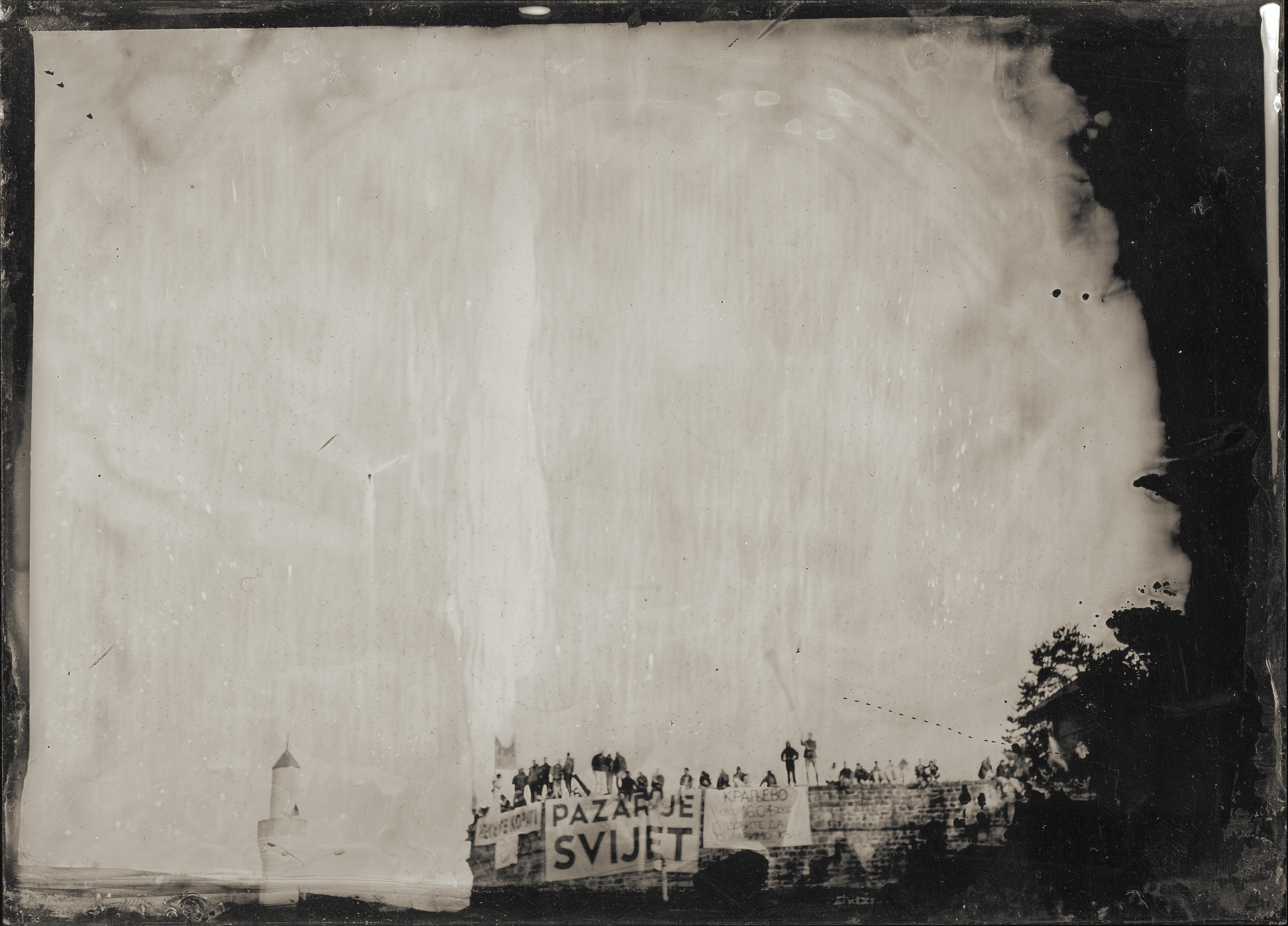
This collaborative project by photographers and university professors Zeljko Mandic, Predrag Uzelac, and Milan Vlaski documents the student-led protest movement that emerged across Serbia in 2024–2025.
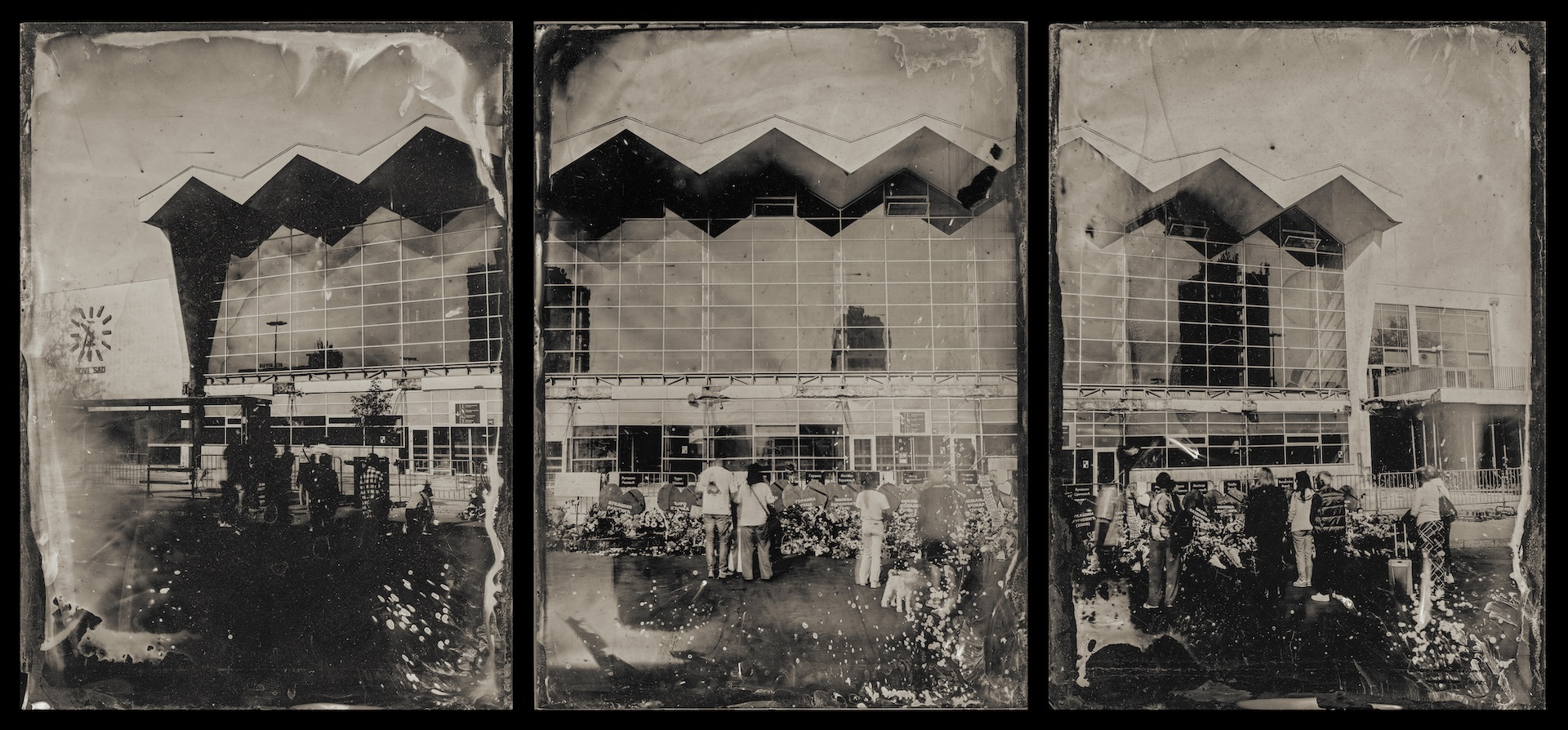
The movement began after the collapse of the railway station canopy in Novi Sad on 1 November 2024, a tragedy that claimed sixteen lives and exposed systemic corruption and institutional negligence. What began as acts of mourning quickly developed into a sustained nationwide movement demanding accountability, transparency, and responsibility.
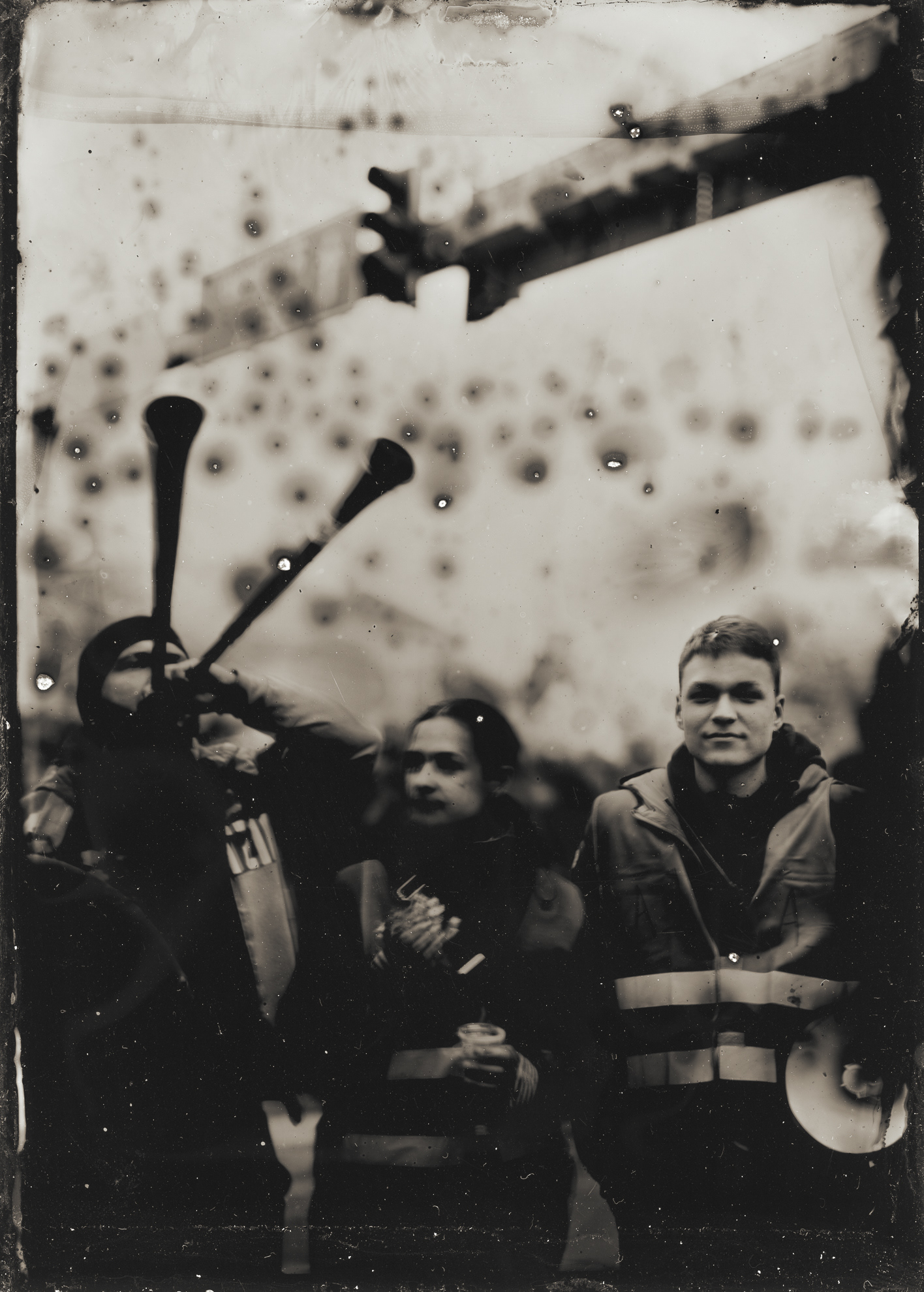
Students across Serbia initiated faculty blockades and occupations of public space. Over the course of approximately a year, thousands of protests took place across cities, towns, and university centers. Daily faculty blockades, repeated square occupations, and temporary shutdowns of major intersections became part of everyday urban life, transforming movement through the city into a form of political expression. In spring 2025, the movement extended beyond national borders through a long-distance bicycle journey to Strasbourg and a relay run to Brussels, addressing European institutions directly. A critical moment occurred on 15 March 2025, when the largest protest to date was held in Belgrade and ended in heightened public alarm following the use of a sound-based crowd-control weapon. The movement remains ongoing.
Characterized by leaderless, horizontal organization, the protests rejected party affiliation and nationalist symbolism. Grounded in plenary decision-making, they articulated a generational refusal of inherited political divisions, insisting on persistence, collective responsibility, and ethical clarity rather than confrontation.
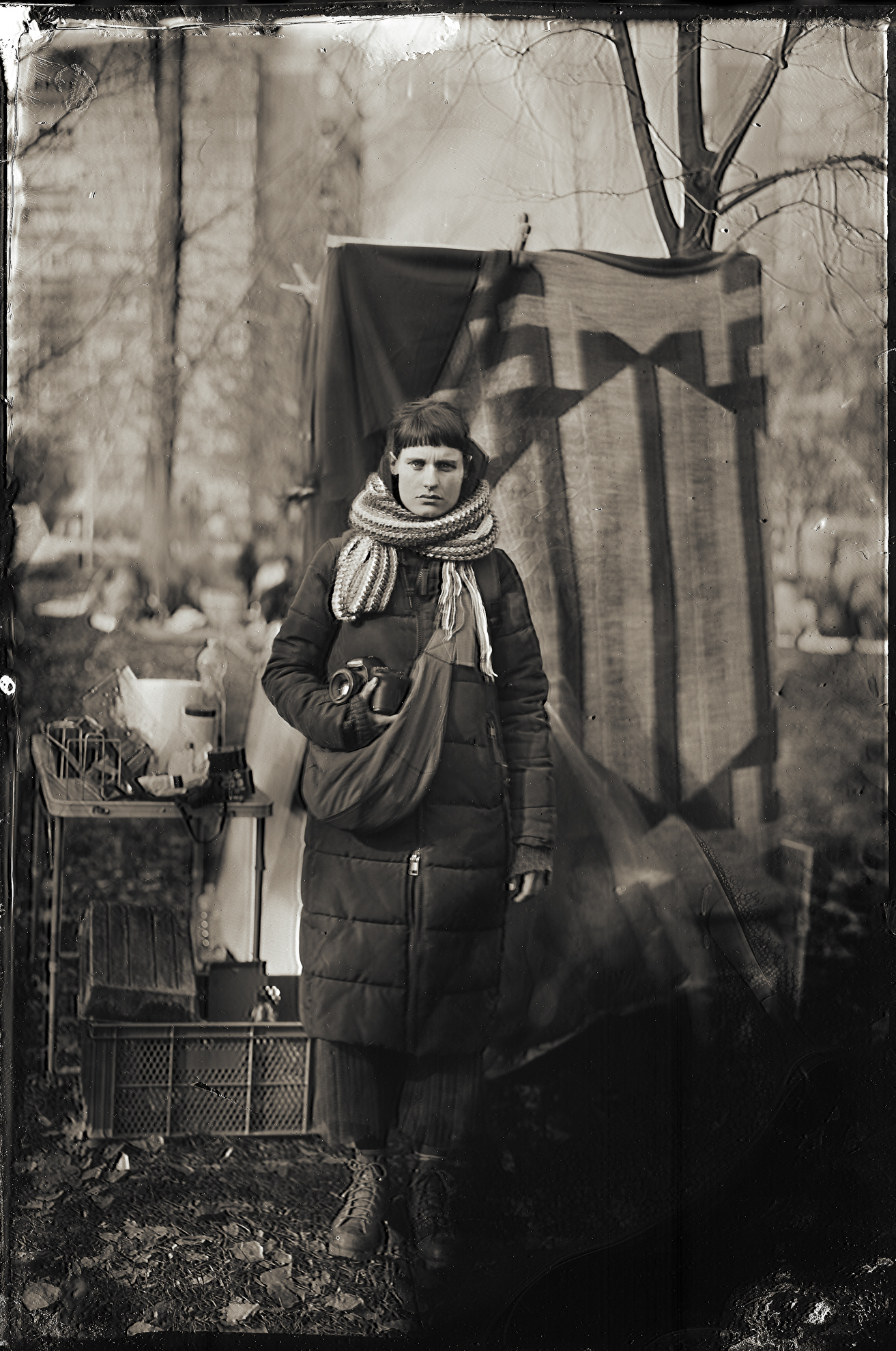
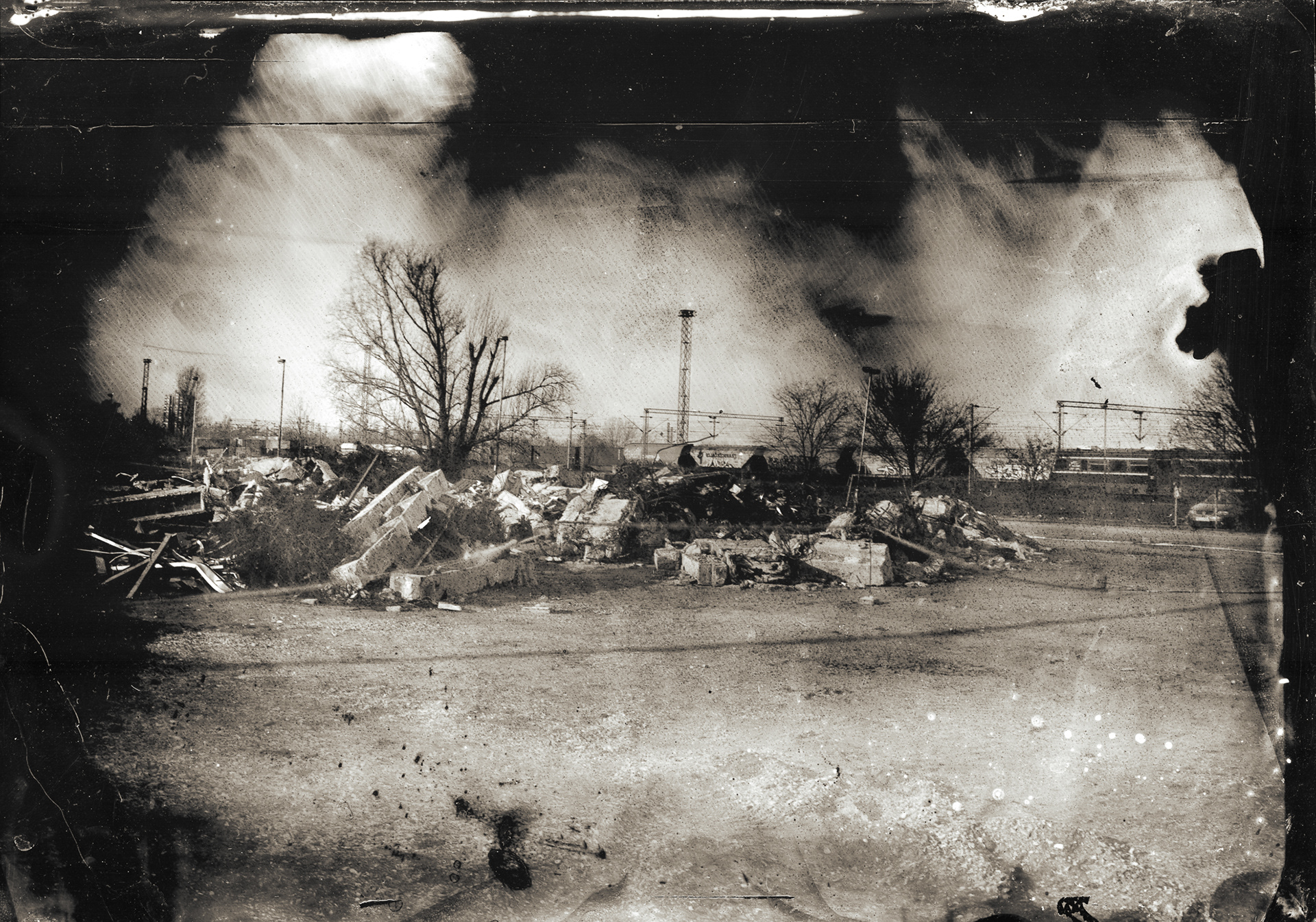
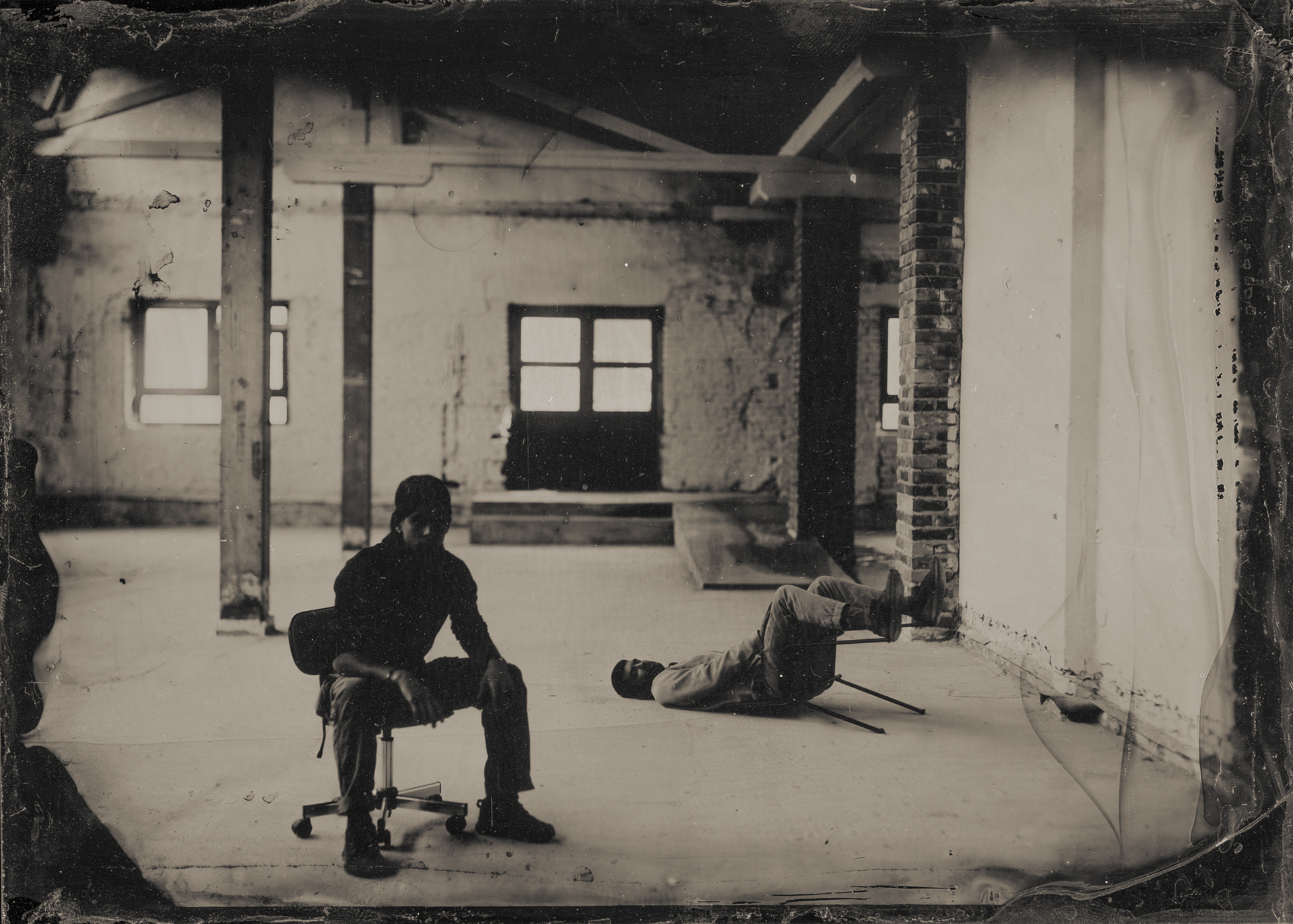
Within this context, the three photographers traveled across Serbia, following student actions and documenting the protests using wet plate collodion on glass. This photographic process requires each image to be produced through a demanding, time-sensitive sequence of coating, sensitizing, exposing, and developing a glass plate while still wet.
The choice of glass is central. Transparent and fragile, yet at the same time sharp, it functions as a material index of the institutional and social condition exposed by the protests: structures that appear stable but fracture under pressure when accountability is absent. By employing a historically charged and materially resistant technique to document a contemporary civic uprising, the work aligns political endurance with photographic difficulty, proposing image-making as a form of slow witness and material inscription rather than instantaneous capture.